This information is for inspirational purposes only. To learn more about Frost Artisan Bakery’s current menu and custom baked goods, please contact us.
There are so many occasions that call for celebration. Every year brings milestones worth marking—anniversaries, birthdays, engagements, graduations, retirements, showers, and weddings. Special celebrations call for special cakes, but you don’t need a special occasion to enjoy a delicious slice!
A Bundt cake, coffee cake, or loaf cake makes a perfect treat for brunch or an afternoon snack. These everyday favorites are just as delicious as the elaborate cakes baked and decorated for birthdays and weddings.
But what makes one cake light and airy while another is rich, dense, and buttery? From ingredients and baking methods to shapes and serving styles, there are many different types of cakes to explore. Let’s take a closer look at the four main cake categories, followed by some popular varieties worth enjoying throughout the year.
WHAT ARE THE FOUR MAIN TYPES OF CAKE?
While cakes come in countless flavors, shapes, and sizes, most can be grouped into four main categories based on their ingredients and preparation methods.
1. Butter and Oil Cakes
Butter and oil cakes are among the most common types of cake. These cakes use butter, oil, or another fat to create a moist, tender texture and typically rely on baking powder or baking soda to rise.
Butter cakes often use the creaming method, where butter and sugar are beaten together to incorporate air before adding the remaining ingredients. Oil cakes typically use a blending method, combining wet and dry ingredients to create a smooth batter.
Popular examples include pound cake, vanilla cake, chocolate cake, carrot cake, and red velvet cake. These cakes are especially versatile and work beautifully for everything from simple loaf cakes to elaborate birthday and wedding cakes.
2. Foam and Sponge Cakes
Foam and sponge cakes are known for their light, airy texture. Unlike butter cakes, they rely primarily on whipped eggs to create volume and structure, rather than large amounts of fat or chemical leavening agents. Popular examples include angel food cake, genoise, and sponge cakes used for jelly rolls. Their delicate texture makes them perfect for pairing with fresh fruit, whipped cream, and lighter fillings.
3. Chiffon Cakes
Chiffon cakes combine the best qualities of butter cakes and sponge cakes. They’re made with oil for moisture and whipped egg whites for a fluffy, airy texture, often with baking powder for additional lift. The result is a cake that’s light yet rich, making it a delicious choice for those who prefer something less dense than a traditional butter cake. Lemon, orange, vanilla, and chocolate chiffon cakes are all popular.
4. Flourless Cakes
Flourless cakes are made without traditional flour and instead rely on ingredients like chocolate, eggs, or ground nuts for structure. These cakes can be baked or unbaked. Baked varieties, like flourless chocolate cake and almond cake, tend to be rich and dense. Unbaked varieties, such as certain mousse cakes and no-bake cheesecakes, rely on chilling to set. Not all flourless cakes are gluten-free, particularly those with cookie crusts or other additions, so it’s always important to check the ingredients.
POPULAR TYPES OF CAKES FOR EVERY OCCASION
Beyond their ingredients and preparation methods, cakes can also be categorized by their shapes, flavors, and serving styles. Here are some of the most common types of cake to enjoy throughout the year.
LOAF CAKES
Loaf cakes are simple to whip up and keep on your kitchen counter to enjoy as a breakfast treat, slice for snacks, or serve with coffee or tea. Pound cakes are one of the most well-known types of butter-based loaf cakes, but plenty of other simple batters, even those featuring ingredients like olive oil, can be baked into familiar rectangular-shaped pans. Loaf cakes are simple to decorate with fresh fruit, fruit compotes, lemon curd, whipped cream, or a sprinkling of confectioners’ sugar.
BUNDT CAKES AND TUBE CAKES
The Bundt pan is an American classic. It’s so American that one of the first Bundt pans ever made, manufactured in 1950, is now in the Smithsonian Institution. Ring-shaped cakes with decorative sides have been a part of dessert tables ever since. But Bundt cakes aren’t the only ring-shaped cakes. You can also try also chiffon, angel-food, and other molded cakes, such as French cannelés. Their distinctive shapes are perfect for adorning with a sprinkling of sugar or a drizzle of a glaze.
COFFEE CAKES
These crumb-topped cakes pair so well with the beverage they’re named after. European immigrants are credited with the tradition of enjoying sweet baked goods with cups of coffee and conversation. Bake a coffee cake and linger over breakfast, brunch, or any get-together with friends or family—and a cup of coffee or two.
SINGLE-LAYER CAKES
This type of cake keeps a low profile. But don’t let their single-layer appearance fool you. The beauty of these cakes lies in their flavor, charm, and versatility. Whether you like a luscious lemon cake, a chocolate torte, an airy genoise, a homestyle sheet cake, or a spice-laden applesauce cake, these cakes don’t require much time to prepare and are a delight to eat.
CHEESECAKES
Cheesecakes trace their origins to ancient Rome. They’ve been in professional bakers’ and home chefs’ repertoires for ages—and for good reason. They lend themselves to dozens of flavor combinations. Today’s cheesecakes are sublime and sophisticated, with luscious fillings, crisp crusts, lively fruit toppings, and plenty of variations to suit your tastes. Some purists may argue that cheesecakes are more like tarts than cakes, but no one can disagree with the fact that they’re irresistible.
ICEBOX CAKES
These cakes hearken back to a time when the marvels of indoor refrigeration made these cool desserts in vogue. The best-known versions of these desserts are made from chocolate wafer cookies and whipped cream. When layered together and refrigerated overnight, they create a cake-like creation. Ice-cream cakes and mousse cakes are some of the most familiar types of icebox cakes.
CAKES WITH FRUIT
When you see a ripe peach or a basket of juicy berries, you can bring the fruit home and use it to create different types of cake! Upside-down cakes are classics for fruits like pineapple, plums, or pears, but you can also incorporate fresh fruit into batter or pile it high atop a cake, like you would for a fruit shortcake.
LAYER CAKES
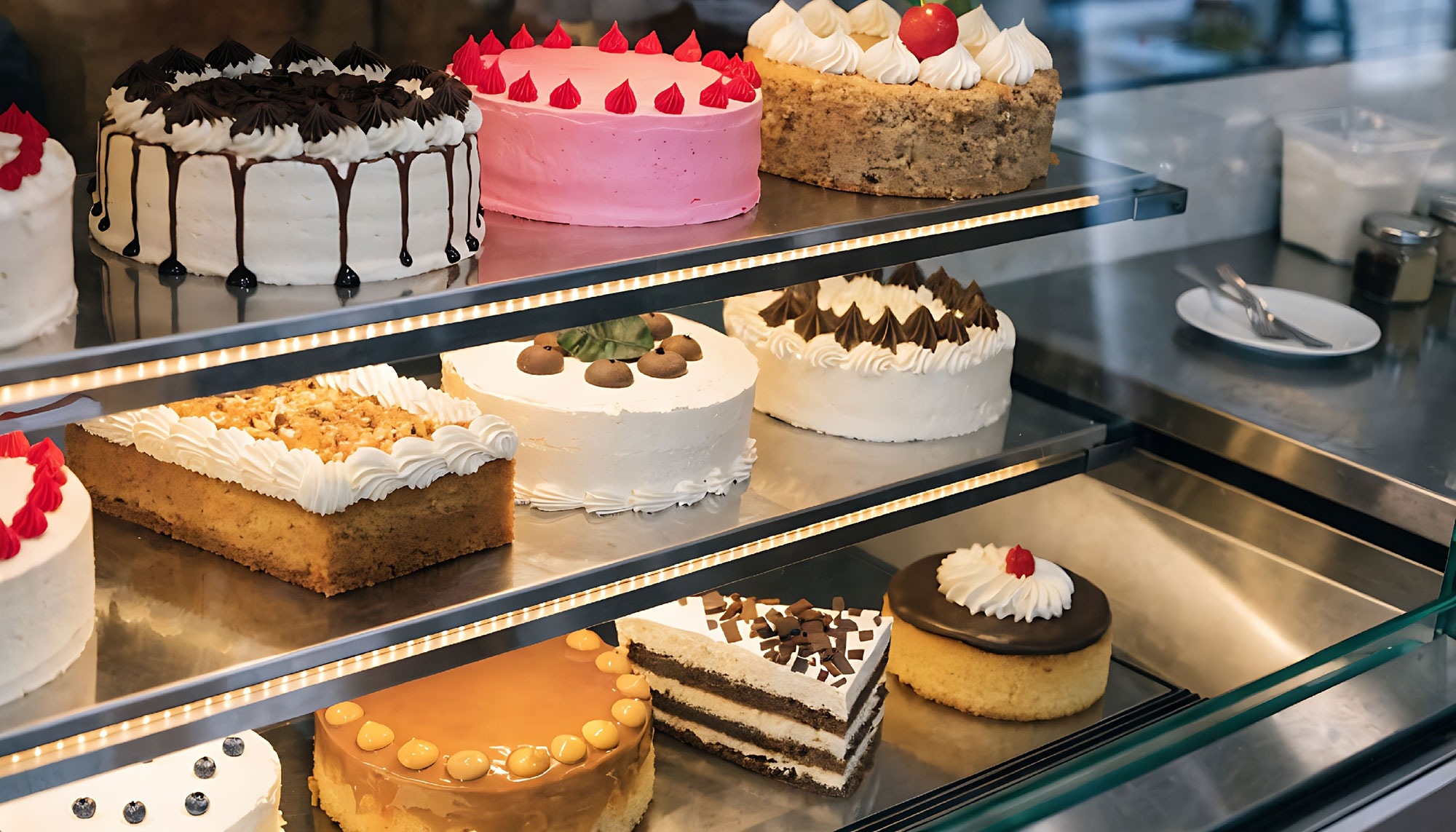
Everyone has at least one memory of eating a slice of frosting-swirled layer cake from a childhood birthday, Grandma’s kitchen, or the neighborhood bakery. These delectable cakes, featuring fillings and frostings between the layers, are some of the most elegant cakes you can serve for special occasions. The endless combinations of cake bases, fillings, and frostings make them easy to customize to the guest of honor’s tastes.
FIND THE CAKE YOU CRAVE AT FROST
Now that you know more about the different types of cakes, from rich butter cakes to light sponge cakes and decadent flourless desserts, you’re sure to find something to suit your taste at Frost Artisan Bakery. Stop by to browse our offerings or call us to order a custom or special-occasion cake.