This information is for inspirational purposes only. To learn more about Frost Artisan Bakery’s current menu and custom baked goods, please contact us.
When you think about food safety in your home, you may think about preventing raw foods like meat and seafood from coming into contact with cooked products. But did you know that food safety also applies to baked goods?
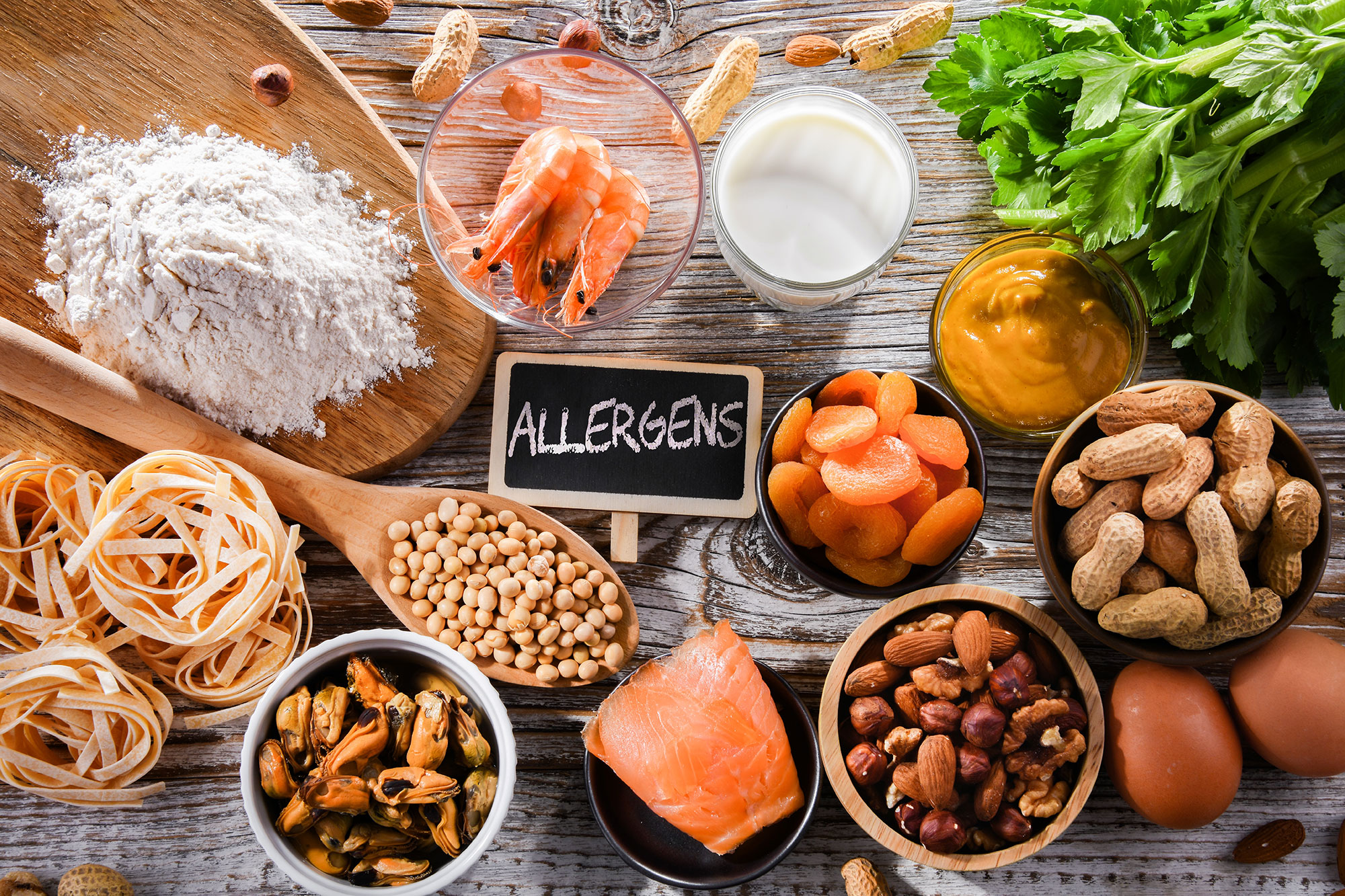
For the millions of Americans with food allergies and sensitivities, avoiding contact with food that could cause a reaction is always a concern. Contact with even a small amount of a specific food could cause life-threatening reactions in people with food allergies or damage the intestinal tract of those with celiac disease.
Learn more about avoiding allergen cross-contact with your baked goods in advance of your holiday entertaining this season.
Cross-Contact vs. Cross-Contamination
While these two terms are often used interchangeably, they do not mean the same thing.
- Cross-contact refers to the transfer of food allergens or gluten to foods meant to be allergen-free or gluten-free. Cooking or baking will not prevent someone with an allergy or sensitivity to an ingredient from having a reaction.
- Cross-contamination refers to the transfer of harmful bacteria from a food to another food or food surface. Many types of dangerous bacteria can be reduced by cooking or baking foods to a high internal temperature before serving.
Safety Starts at the Bakery
While the U.S. Food and Drug Administration’s Food Allergen and Labeling Consumer Protection Act and Gluten-Free Food Labeling Rule have made purchasing products easier, you’ll still want to keep a few points in mind before making your purchases.
- When shopping for those who have food allergies, keep allergen-free or gluten-free baked goods separate from other products.
- Ask your baker to verify the ingredients used in baked goods such as cakes, cookies, pies, and tarts.
You might be asking, “What does allergen-free mean?” Allergen-free means that a product does not contain ingredients that could cause an allergic reaction. For example, allergen-free brownies mean that the bakery items do not contain ingredients such as nuts, which could cause allergic reactions.
Think About Cross-Contact Through Serving
- Serve guests who will be eating allergen-free or gluten-free foods first. Carry their dishes separately from others.
- Avoid using “make-your-own” items that involve high risks for cross-contact, such as make-your-own sundaes or decorate-your-own cupcakes.
Ensure Safe Storage at Home
Once you get your baked goods home, you’ll want to continue practicing safe food handling to prevent cross-contact.
- Place gluten- and allergen-containing foods on shelves below allergen- or gluten-free foods in the freezer, pantry, and refrigerator.
- Dedicate separate storage containers to gluten- and allergen-containing foods and others to allergen- and gluten-free foods. Use labels to clearly mark your storage containers to prevent any confusion.
Wash, Wash, and Wash Some More
Ensure your storage containers and serving pieces are cleaned very well to prevent cross-contact.
- Wash and sterilize anything your baked goods may touch.
- Wash your hands with warm, soapy water for 20 seconds.
- Wash plates, serving utensils, and dishes using hot, soapy water or place them in the dishwasher.
Talk to Frost About Allergen-Free Desserts
If you’re hosting family and friends with food sensitivities or allergies this holiday season, it’s important to communicate this information with your bakery. The professionals at Frost can provide you with essential details, including ingredients and handling instructions, to help keep your loved ones safe.